Sovereign AI
Sovereign AI, on infrastructure you control
Language models, assistants and agents for governments and enterprises, installed in your data centre, your private cloud or an isolated network. Your policy decides every call, and the record stays in your database.
Film: night map by NASA, borders by Natural Earth, photographs by Brett Sayles, George Diamanto (Pexels). The data movement is drawn. No SoftQuantus or customer site is shown.
AI that stays where your law applies

Government
For government
Assistants and agents for public bodies, on infrastructure the state controls, with a second person on the actions that matter.

Enterprise
For enterprises
One governed path from your employees and agents to your models, databases and clusters.

Data protection
For data protection
What the architecture gives your data protection officer, article by article, and what stays with you.
What sovereign means
Five questions to ask any AI supplier
Sovereignty is not a place on a map. It is whether you can answer these without asking your supplier.
- Where does the model run?
- On your own GPUs, from open weights you hold. Any endpoint with an OpenAI-compatible chat completions route works, and so does Ollama.
- Who decides what AI may reach?
- You do. A call that no policy matches is denied, and a write needs a policy that names it.
- What leaves the network?
- Only what you configure. The installation makes no call to SoftQuantus, and its licence is checked offline.
- Can you prove what happened?
- Each decision joins a tamper-evident chain in your database. You verify an export offline, without us.
- Can you leave?
- Weights, database and audit export are yours, and your applications speak the OpenAI chat format to the gateway, so a change of model or vendor is a change of endpoint.
What you get
From the model to the record, on your machines
Served by vLLM, llama.cpp or Ollama on your hardware. Each one sits behind a model service that an administrator registered.

Open-weight language models
Calls per minute, tokens per day and answer length, by workload, person or group. Prompts and answers are never stored by the gateway.
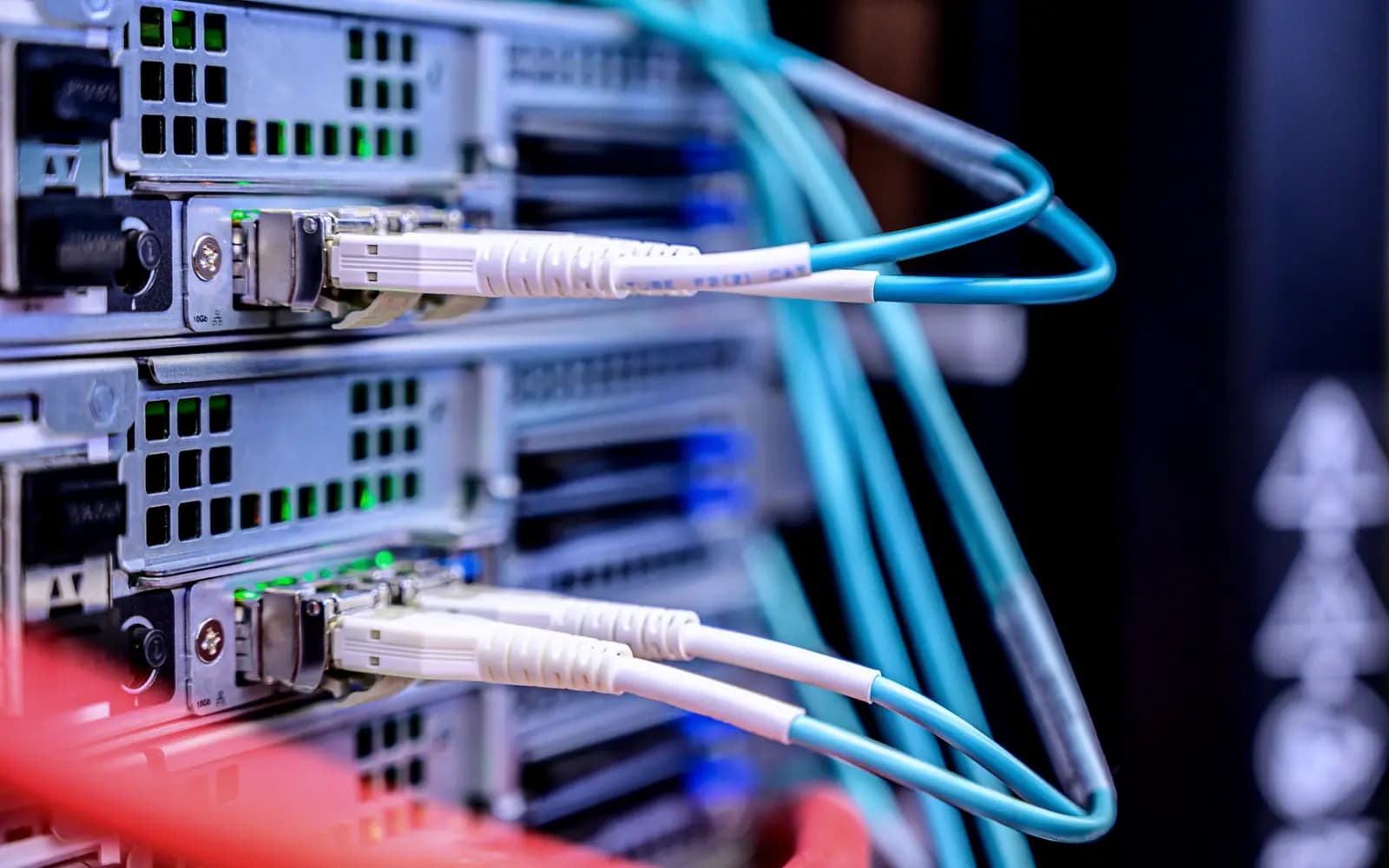
Every model call passes a grant
The Private AI bundle puts an open-source chat in front of your model, signed in through your identity provider. We bring it up on your GPU host during the pilot.

A private chat for employees
Agents reach Kubernetes, PostgreSQL, Linux hosts and REST services over MCP. They hold no credentials and send typed arguments, never a shell command.
Tools with a policy in front
A policy can ask for approval. The requester cannot approve their own call, and an approved call runs once.

A second person where it counts
A hash-chained audit, a SIEM feed, and an evidence report for any period of up to 366 days.

A record your auditors can check
Policy
Every request meets a rule you wrote
What happens when an agent asks to…
Allowed
A policy names this tool for this agent, and the analyst who asked may read the same resource.
tool    k8s_events
agent   incident-helper
for     a.silva
namespace  payments
Kept in the record: the caller, the person, the policy version and the outcome.
Evidence
A changed record shows itself
Each entry carries a hash of the one before it. Change one, and every link after it stops matching. Try it: the hashes are computed in your browser.
Audit chain, four entries
Computing- dec_7f3a1Computing
allow k8s_events agent=incident-helper
- dec_7f3a4Computing
require_approval k8s_restart ns=payments
- dec_7f3b0Computing
approved by=a.silva for=dec_7f3a4
- dec_7f3b2Computing
deny pg_write table=payroll
Control you can check yourself
Example
Image digest
CheckedRelease
Check the build before it runs
A bill of materials, a vulnerability report and provenance come with each release, and a script stops at the first mismatch.
Example
Outbound calls
NoneNetwork
Run it with no way out
Egress rules make the gateway the only path to your models. The installation itself calls nobody.
Example
Audit chain
IntactEvidence
Verify the record offline
Export the audit for a period and check the chain on a machine that has never seen the installation.
Example
Model gateway
One pathIntegration
Keep one path for every model
Applications change a base URL. Agents speak MCP. Your identity provider, SIEM and vault stay.
Where it runs
One installation, three places to keep it
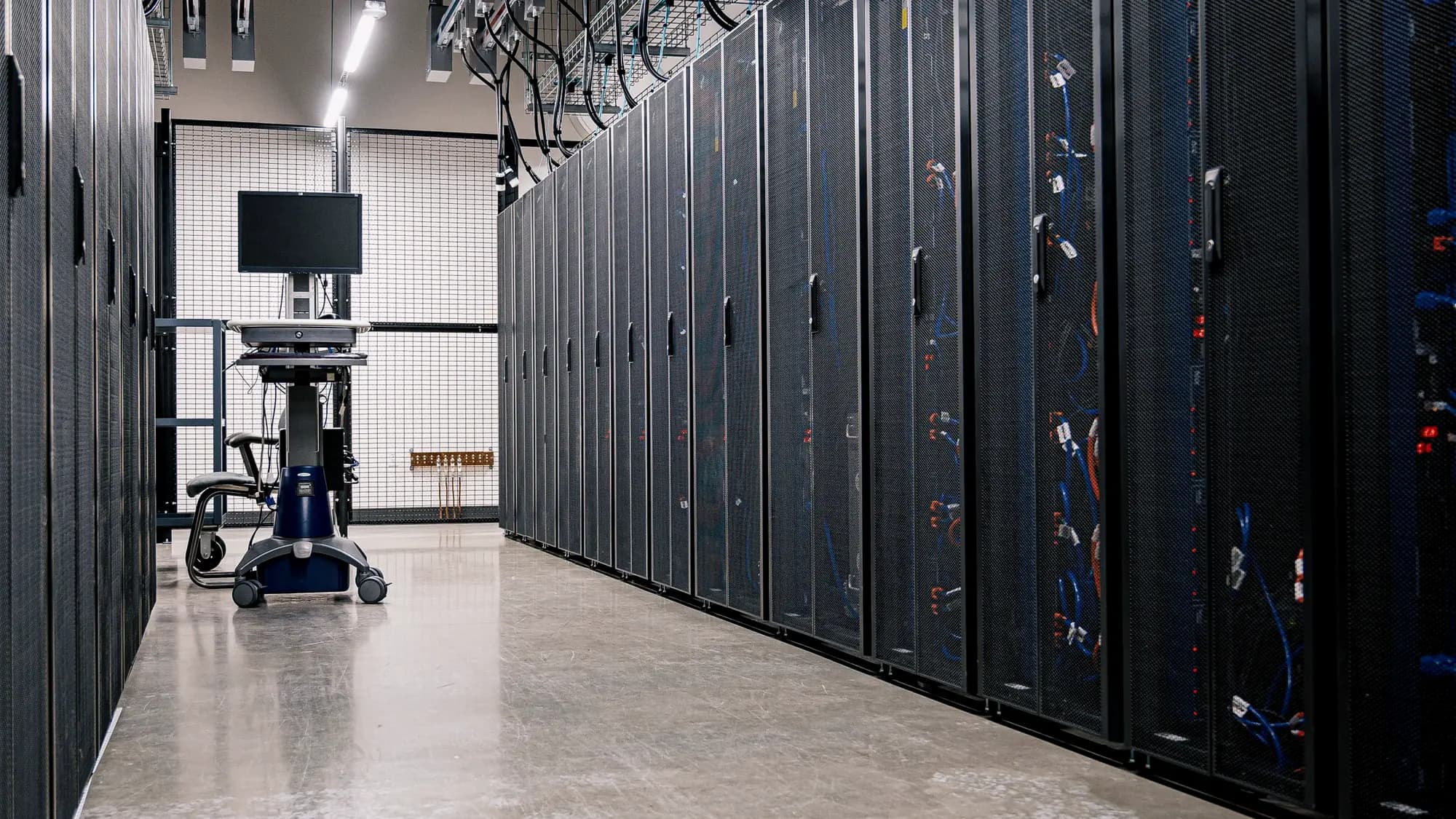
Docker Compose
Your data centre
One compiled image beside your PostgreSQL, with Docker Compose, behind your own proxy.

Helm
Your private cloud
The Helm chart on the Kubernetes platform you run, in the region and account you chose.

Offline bundle
An isolated network
An offline bundle that loads with no network, and a licence that is checked offline.
Inside your boundary
- People and agentsSigned in through your identity provider
- InfraGuardAllows, asks for approval or denies each call
- ModelsOpen weights on your own GPUs
- Systems and dataDatabases, clusters and servers you already run
- Keys and secretsRead from your own vault
- RecordA hash chain in your own PostgreSQL
Outside
SoftQuantus
No connection from the installation, and no way into it
How we start
A pilot with a scope you can test
- 01
Scope
We agree which people, agents, models and systems are in, what stays out, and what counts as a pass.
- 02
Install
We deliver the build with its bill of materials. You install it with Docker Compose or Helm, next to your PostgreSQL and your identity provider.
- 03
Prove it on your systems
Acceptance cases run on your installation: a call refused, the same call allowed after a grant, a budget reached, a revoked workload refused.
- 04
Decide with the record
You export the audit and the evidence report for the period, verify them offline, and decide whether to go on.
Our position
What we claim, and what we do not
SoftQuantus innovative OÜ is a private company registered in Estonia, in the European Union. It holds no security certification today, and an evidence report from InfraGuard is a record you can verify, not an attestation that a framework is met.
The trust pages of the documentation state what is built, what is tested and what is missing, independent testing included, so your reviewers can start from the gaps.
Questions we are asked
Is this a hosted service?
No. Sovereign AI here means software you install and models you run. Hosted SoftQuantus services, such as SynapseX, are separate and follow their own terms and the privacy policy.
Which models can we run?
Any language model with an OpenAI-compatible chat completions route or an Ollama endpoint. The Private AI bundle is set up for Qwen3-8B, an open-weight model from Hugging Face. The licence of each model is between you and its publisher.
Can we also use a hosted model?
Yes, if you decide to allow it. An administrator registers the service, the host must be on your allow list, and the same grants, limits and records apply. Prompts sent to it leave your network.
What does the gateway not cover?
It governs chat completions. It also cannot see traffic that bypasses it, which is why the documentation includes network rules that make it the only path to your models.
Sovereign AI
Start with one model, one team and one system
Tell us where the AI must run and what it must never reach. We answer with a scope, not with a slide deck.
Photographs, cropped and graded: Brett Sayles, panumas nikhomkhai, George Diamanto, Luca Nardone, Parna Gohil, Egor Komarov, T6 Adventures, Adil Khan Marwat (Pexels). None shows a SoftQuantus or customer site.